Juighissa 2013: Sardinia’s Answer to Amontillado
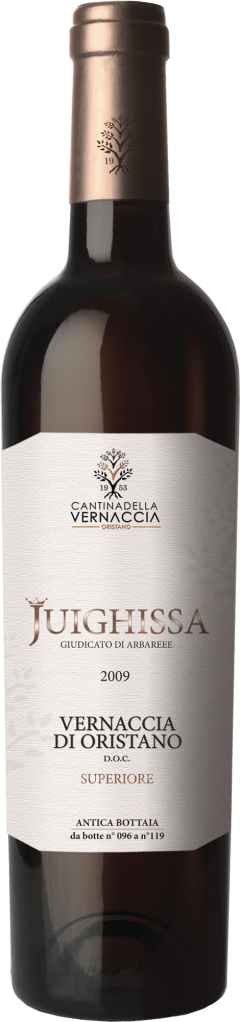
Juighissa 2013 is the second wine in the premium line of Vernaccia di Oristano DOC from Cantina del Rimedio (also known as Cantina della Vernaccia), and of course, it is a 100% varietal Vernaccia di Oristano. This is a truly unique oxidative wine produced only in Sardinia (I describe its general characteristics in detail in another blog post).
The Cantina del Rimedio is a historic co-operative with deep roots in producing excellent Vernaccia wines. Despite the difficulties that have impacted co-operatives worldwide, it is now relaunching itself by focusing on premium and innovative bottlings. Under the guidance of Roberto Puggioni, master enologist since the 2017 harvest, the winery has made remarkable strides. In fact, at this year’s Vinitaly, the Cantina del Rimedio was awarded “Winery of the Year.“
Vineyard and Winemaking
Juighissa comes from five hectares of bush-trained vines planted on alluvial sandy-clay soils locally known as bennaxi. These vines are dry-farmed (no irrigation is permitted by the appellation rules) and are cultivated with minimal treatments, using only sulfur, copper, and natural organic fertilizers. Harvest is conducted entirely by hand when the grapes reach perfect ripeness.
In the cellar, the grapes undergo soft pressing, followed by alcoholic fermentation. The spring following harvest, the wine is transferred to oak and chestnut barrels, intentionally filled only to two-thirds capacity, allowing the development of the flor yeast veil. This veil, formed by the same native yeasts that carried out fermentation, moderates oxygen exchange, enabling controlled oxidation while shaping the wine’s signature aromas.
While the DOC requires a minimum aging period of three years, Juighissa is aged for at least eight years in barrel, resulting in remarkable depth and complexity.
Tasting Profile
- Appearance: Medium amber (reminiscent of a fine Amontillado Sherry), with long, persistent tears that reflect its richness and density.
- Nose: Pronounced intensity (it will fill the room!) with a complex bouquet:
Almond, almond paste, walnut, hay, acetaldehyde, olives in brine, toasted Marcona almonds, hazelnut, figs (and dried figs), honey, saffron, liquorice, dried apricot, dried pear, and a hint of toasted vanilla. - Palate: A surprise awaits: despite the rich, sweet-leaning aromas, the wine is bone dry. It displays medium acidity (appearing sharper due to the total absence of residual sugar), high alcohol (17.5%), and a full, chewy body. The finish is very long and persistent, embodying what Italians call a “vino da meditazione” (meditation wine).
Final Thoughts
This is an excellent expression of Vernaccia di Oristano, standing proudly alongside oxidative wines such as Sherry, Vin Jaune, and Marsala. Juighissa recalls a fine Amontillado, but with two key distinctions:
- It is not fortified. Despite reaching similar alcohol levels, the alcohol is better integrated, seamlessly blending with the aromas and body.
- The aromatic profile shows less overt biological aging character and instead maintains a remarkable freshness and elegance rarely seen in more oxidative Sherries like Palo Cortado or Oloroso.
Its elegance and sharpness of flavours is pretty much unique, while its combination of high alcohol, acidity, and concentration ensures extraordinary aging potential.
As a true meditation wine, Juighissa is equally captivating with or without food. It pairs beautifully with bottarga, blue cheeses (such as the local and very tasty Dedoni’s Muffolone), or even sweet amaretti biscuits. However, it shines just as well enjoyed on its own. While it is often served around 14–16 °C, I recommend a slightly cooler temperature (8–10 °C) to emphasize its elegance and finesse even further.
 Sardinian Wine Stories
Leave a comment