Two aged expressions of Sardinia’s iconic Vernaccia di Oristano — Silvio Carta’s rich, oxidative Riserva 2008 and Attilio Contini’s elegant, saline Flor 2007.
With this post, I’d like to explore two remarkable expressions of Vernaccia di Oristano — a wine that embodies the depth and complexity of Sardinia’s winemaking heritage. Both wines come from iconic producers, Silvio Carta and Attilio Contini, and offer a fascinating glimpse into how this unique variety evolves with time and different winemaking approaches.
The Silvio Carta Vernaccia di Oristano Riserva 2008 meets the stricter Riserva requirements (higher minimum alcohol and at least four years of wood ageing), while the Attilio Contini Vernaccia Flor 2007 is a non-Riserva expression that underwent a different, more biologically influenced ageing. Despite the difference in style, both wines are nearly twenty years old — a testament to Vernaccia’s exceptional ageing potential.
Rather than determining which is “better,” the goal here is to highlight their contrasting personalities — two sides of the same Sardinian gem. Both wines are entry-level within their producers’ ranges, yet they deliver outstanding quality for their price.
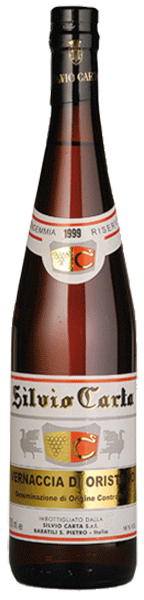
Silvio Carta Vernaccia di Oristano Riserva 2008
- Appearance: Medium amber, luminous and clear — reminiscent of an Amontillado Sherry.
- Nose: Medium intensity, with aromas of almond, roasted apple, hay, acetaldehyde, saline olives, hazelnut, Mediterranean herbs, and yeast. Subtle tertiary notes of ginger, dried apricot, and nutmeg emerge with air.
- Palate: Bone dry, with medium acidity, high alcohol (18%), and a full, almost oily body. The oxidative character dominates, delivering flavours of nuts, dried fruit, and salt. Exceptionally long and complex finish — a true vino da meditazione (wine for contemplation).
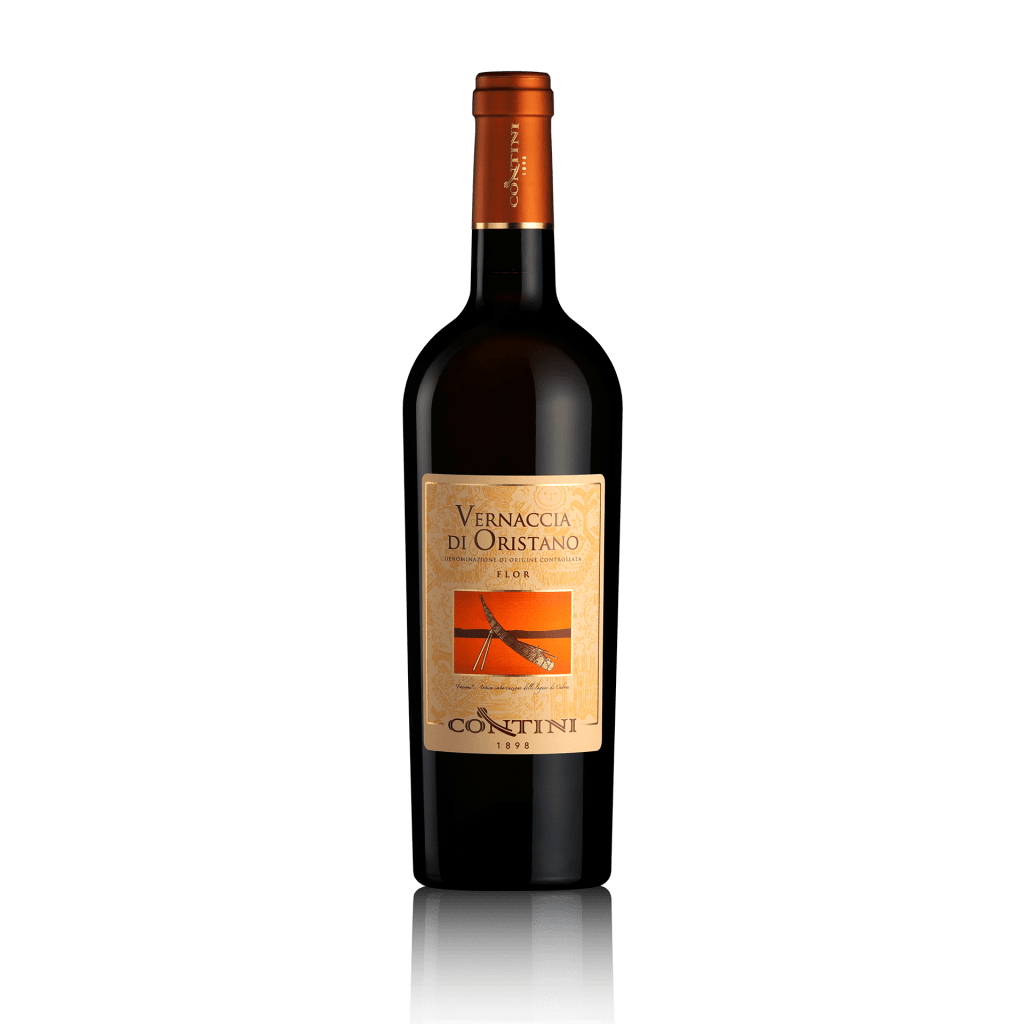
Attilio Contini Vernaccia Flor 2007
- Appearance: Medium old gold, slightly hazy from fine sediment — a mark of minimal intervention.
- Nose: Medium intensity, showing almond, roasted apple, dried flowers, hay, acetaldehyde, saline olives, hazelnut, eucalyptus, and dried apricot.
- Palate: Bone dry, with medium acidity, high alcohol (15%), and a slightly leaner, more vibrant body. It retains freshness and tension, balancing oxidative depth with lively salinity. The finish is long and harmonious, making this wine more adaptable to food pairings.
Comparison and Final Thoughts
In appearance, Contini’s Vernaccia shows a deeper colour, though Carta’s is more brilliant and limpid. On the nose, Carta’s wine is more oxidative, while Contini’s displays nuances of biological ageing (flor) that bring freshness and aromatic lift.
On the palate, Carta’s Vernaccia is richer and oilier, with a meditative intensity; Contini’s is slightly fresher, more saline, and easier to pair with food. Carta’s Riserva seems designed to endure decades, while Contini’s Flor shines at its peak, offering a beautiful sense of balance and vitality.
Food Pairing Suggestions:
- Silvio Carta Vernaccia di Oristano Riserva 2008 — ideal on its own or with almond biscuits, served at room temperature.
- Attilio Contini Vernaccia Flor 2007 — better slightly chilled, pairing beautifully with seafood, bottarga, or soft, creamy cheeses.
Both wines confirm Vernaccia di Oristano’s extraordinary character — a Sardinian treasure that bridges oxidative and saline elegance like few others in the Mediterranean.
Next time, I’ll test both with bottarga and amaretti — the quintessential Sardinian pairings for Vernaccia di Oristano. But which one will take the crown?
 Sardinian Wine Stories
Leave a comment