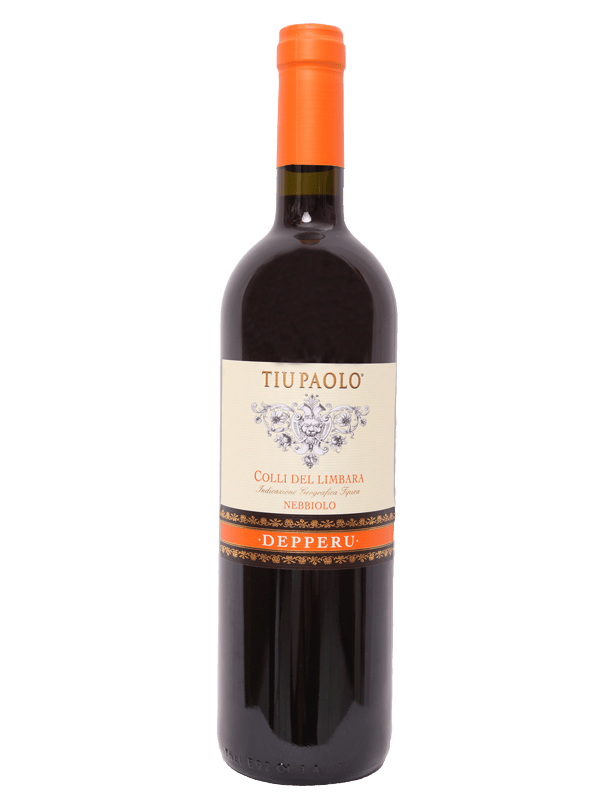
This tasting note concerns a rather unusual Sardinian red wine: a varietal Nebbiolo, the world-famous Piedmontese grape behind Barolo and Barbaresco, two of Italy’s most iconic wines.
Tiu Paolo is produced by Cantina Depperu under the IGT Colli del Limbara designation. This inland area of Gallura, in north-eastern Sardinia, is better known for its stunning beaches and Vermentino di Gallura. Yet its granite-rich soils and altitude make it an excellent terroir for structured yet elegant reds. The vineyards around Luras, in particular, have proven surprisingly well-suited to Nebbiolo. The variety was first brought to Sardinia in the early 19th century, when the island was under Piedmontese rule.
Nebbiolo or… Dolcetto?
According to DNA profiling cited by scholars such as Ian D’Agata and Jancis Robinson, the grape known as Nebbiolo in Sardinia might actually be Dolcetto, another (though slightly lesser-known) Piedmontese variety. Without challenging these authoritative voices, I must say that the wine’s tasting profile aligns far more closely with Nebbiolo’s signature traits than with Dolcetto’s. It’s also plausible that the grape, after two centuries on Sardinian soil, has evolved to display its own unique features.
Vineyard and Winemaking
The grapes for Tiu Paolo come from vineyards in Pedralza, near Luras, planted partly as bush vines (alberello) and partly as spurred cordon on trellises. The vines grow at about 500 meters (1,640 ft) above sea level on granite-derived sandy soils, rich in stones of volcanic origin such as basalt — a composition that imparts marked minerality and freshness to the wines.
The mild climate, together with strong diurnal temperature variation, allows for ideal aromatic development. Grapes are hand-harvested at optimal ripeness and quickly transported to the nearby cellar. After destemming and crushing, the must macerates with the skins for about 14 days, during which fermentation occurs with selected yeasts at around 26°C (79°F).
After pressing and completing fermentation, the wine matures for a few months in stainless steel tanks, where it undergoes malolactic fermentation, before bottling and further ageing prior to release.
Tasting Profile
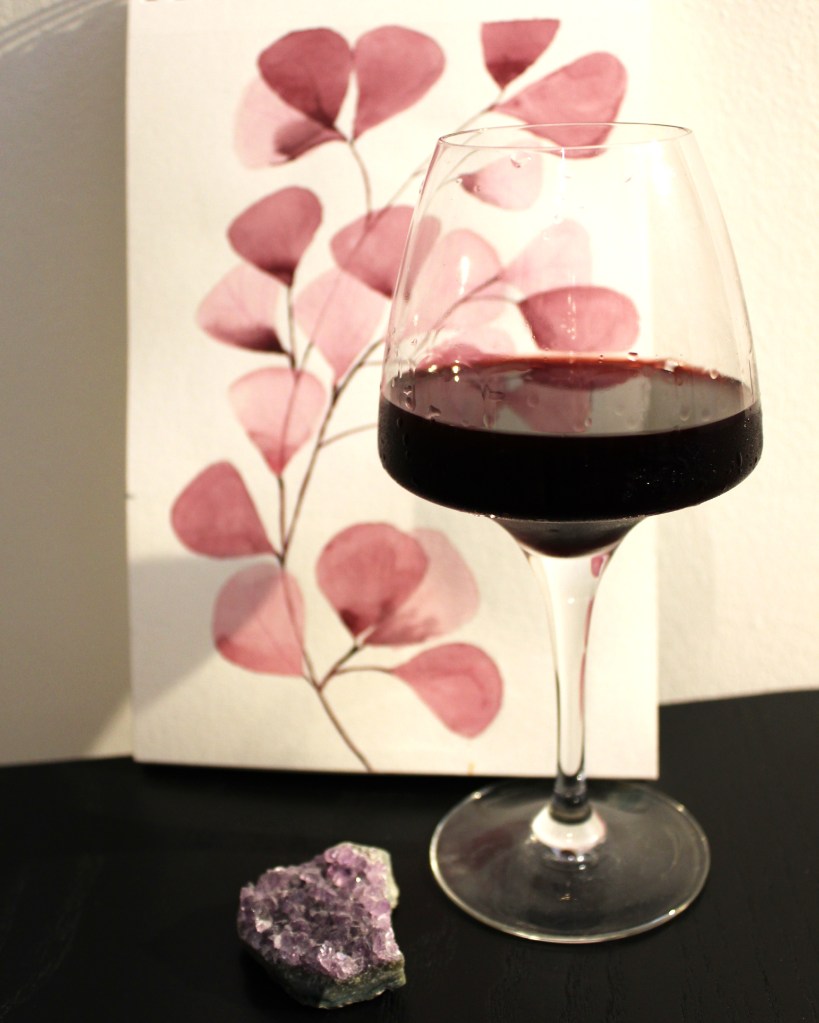
- Colour: Medium ruby with a garnet-purple rim, typical of Nebbiolo.
- Aroma: High intensity with notes of rose, violet, red and black cherry, plum, raspberry, and pomegranate, complemented by oregano, balsamic herbs, bread dough, butter, yeast, yoghurt, and delicate tertiary touches of cloves, dates, leather, earth, and charcuterie.
- Palate: Dry, with high acidity and firm, grippy tannins — very much in line with Nebbiolo’s character. The alcohol (13.5%) is moderate, supporting a lean, elegant structure. The body is medium(+), driven by tension, tannin, and a subtle but persistent mineral backbone. The finish is long and refreshing, highlighting red-fruit acidity and savoury nuances.
Food Pairing, Ageing Potential, and Final Thoughts
This is an elegant and nervy wine, marked by high acidity, firm tannins, and pronounced minerality. It combines aromatic complexity with a sense of purity and restraint — a Sardinian interpretation of Nebbiolo that leans toward finesse rather than power.
God forgive me (I’m vegetarian after all, though I still remember what meat tastes like!), but this wine would pair beautifully with fatty meats — its tannic grip and acidity would cut through dishes like guanciale, rillettes de canard, or even trippa alla romana.
At six years old, Tiu Paolo still has plenty of life ahead — at least another five years of cellaring potential, during which it could evolve into a meditation wine, developing further tertiary notes while retaining its signature floral elegance.
A wine of remarkable structure, energy, and precision — it’s hard to find another Sardinian red quite like it in terms of tannin, minerality, and acidity. Quite possibly, one of the cleanest and most linear wines produced on the island.
 Sardinian Wine Stories
Leave a comment