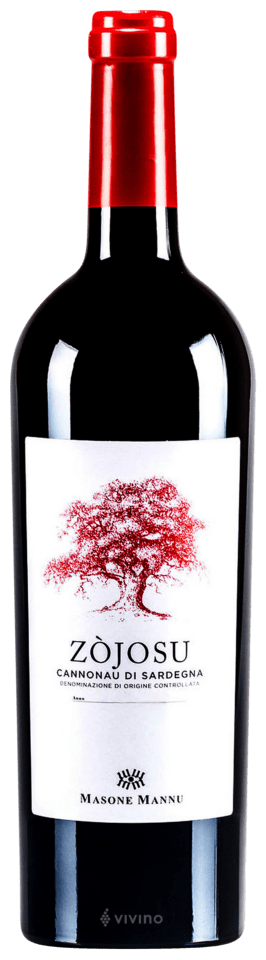
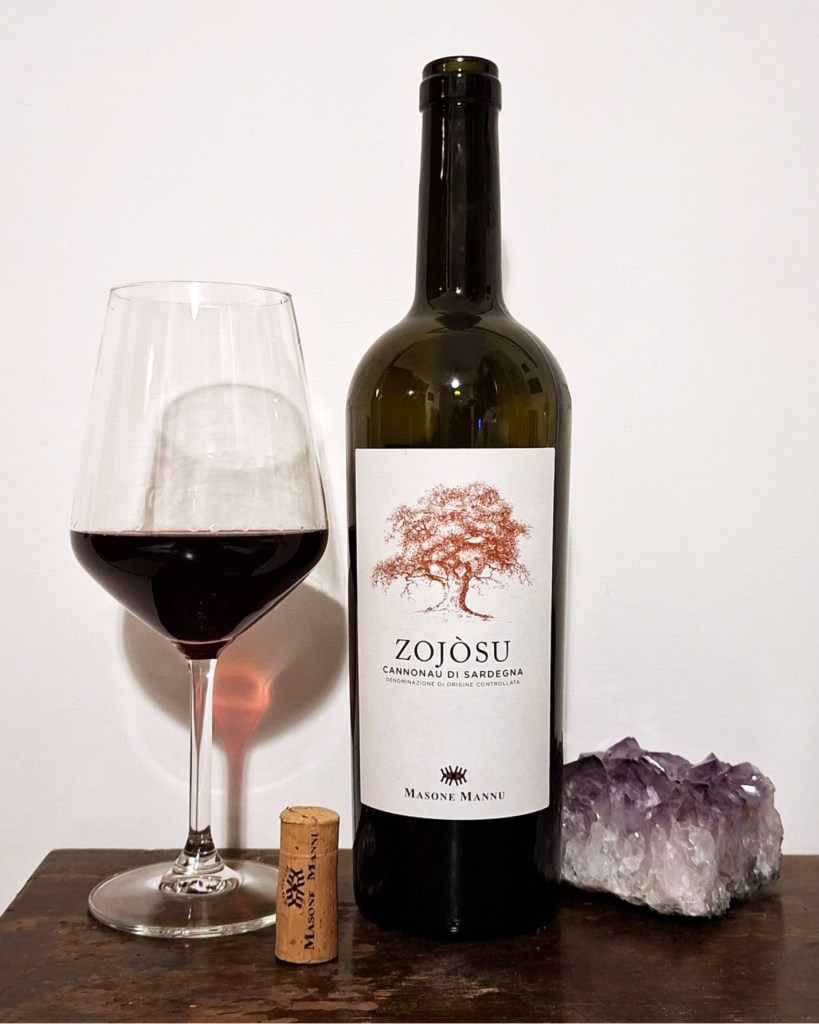
This tasting note is dedicated to Zojòsu, a varietal red wine made from Cannonau (Grenache) by Tenuta Masone Mannu, a renowned estate based in Monti, in the inland heart of the Gallura region (north-east Sardinia). While both the area and the estate are particularly well known for the production of crisp and mineral Vermentino di Gallura, Monti is increasingly revealing a strong potential for high-quality red wines as well.
Zojòsu means “joyful” in the Sardinian language. This is indeed a vibrant, precise and elegant interpretation of Cannonau, one that may resonate particularly well with international palates accustomed to wines from cooler climates. The granitic sandy soils, capable of conferring freshness and marked minerality, the significant diurnal temperature variation, and the influence of marine winds are key factors behind the aromatic definition and overall balance of wines from this part of Sardinia.
Tenuta Masone Mannu, which currently comprises about 40 hectares of vineyards, is progressively converting its production to biodynamic viticulture and winemaking. Zojòsu is produced from grapes farmed biodynamically, without the use of synthetic pesticides or chemical fertilisers.
Vineyard and Winemaking
Zojòsu is produced from grapes sourced from a single vineyard in the Monti area, situated at about 150 metres above sea level , own-rooted, south-east facing, and cropped at a low yield of 40 quintals per hectare. The soils are predominantly granitic, a defining feature of Gallura.
Harvesting is carried out by hand during the first half of September. The grapes, placed in small crates, are quickly transported to the cellar, where they are destemmed and gently crushed. Alcoholic fermentation takes place in stainless-steel tanks, without temperature control, with the must macerating on the skins for about 12 days, during which frequent punch-downs are performed.
After the completion of alcoholic fermentation, the wine is matured exclusively in stainless steel for approximately six months, followed by a further six months of bottle ageing prior to release.
The choice to rely solely on stainless steel for maturation is particularly well suited to highlighting the wine’s fresh, nervy and mineral profile. This approach is increasingly adopted by producers working with Cannonau/Grenache/Garnacha worldwide and is proving to be not merely an alternative to more opulent styles, but possibly one of the most authentic expressions of the variety.
Tasting Profile
- Colour: Pale to medium ruby with a garnet rim, consistent with Cannonau/Grenache’s naturally oxidative profile. Remarkably light in hue — just a shade deeper than a Tavel rosé.
- Aroma: Medium(+) intensity, with excellent clarity and precision. Aromas of slightly under-ripe red plum, red cherry and redcurrant are joined by floral notes of carnation, black pepper, dried Mediterranean herbs (thyme, rosemary) and a distinctive note of wet stone, a clear marker of granitic soils. (After 24 hours from opening, a yoghurt-yeast note emerges, adding further complexity).
- Palate: Dry, with high acidity and medium(+) chalky tannins that emphasise the wine’s mineral backbone. The combination of acidity and fine tannic grip delivers a sip of notable elegance and freshness. Alcohol is medium (13.5% ABV), well balanced and fully in line with the medium-bodied structure of the wine. Flavour intensity is medium(+), showcasing a refined balance between delicacy, spice and drinkability.
- Finish: Rather long and very clean. A gentle astringent touch emerges at the very end, pleasantly reinforcing the perception of freshness, while the aromatic persistence is supported by the tannic structure.
Food Pairing, Ageing Potential & Final Thoughts
Zojòsu is a fresh, elegant and terroir-driven Cannonau, demonstrating both the versatility of the variety and the remarkable ability of Gallura’s granitic soils to transmit minerality and tension to a grape that is more commonly vinified in a richer, rounder style in Sardinia. In this sense, it may well offer a glimpse into the future of Sardinian red wines, particularly as producers increasingly engage with international markets.
Despite its high acidity and firm tannic structure, I would not recommend ageing Zojòsu for more than five years. While a short period of bottle ageing may add a layer of tertiary complexity, the wine’s defining freshness and youthful energy should not be compromised. Serving temperature is also key: I would suggest enjoying it slightly cool, around 13 °C in its youth, allowing this to rise modestly — but not beyond 16 °C — with some bottle age.
When it comes to food pairing, the wine’s acidity makes it particularly effective at cutting through fat. It pairs well with rich cheeses (even a burrata), fatty cured meats such as pancetta, and — going somewhat against Italian convention — dishes like trippa alla romana, where acidity and freshness are essential to balance the dish.
 Sardinian Wine Stories
Leave a comment