As a natural continuation of the previous post comparing Sardinia’s Cannonau with Spanish Garnacha and French and Australian Grenache, this article focuses on a comparative tasting of four varietal expressions from these regions.
The wines tasted are:
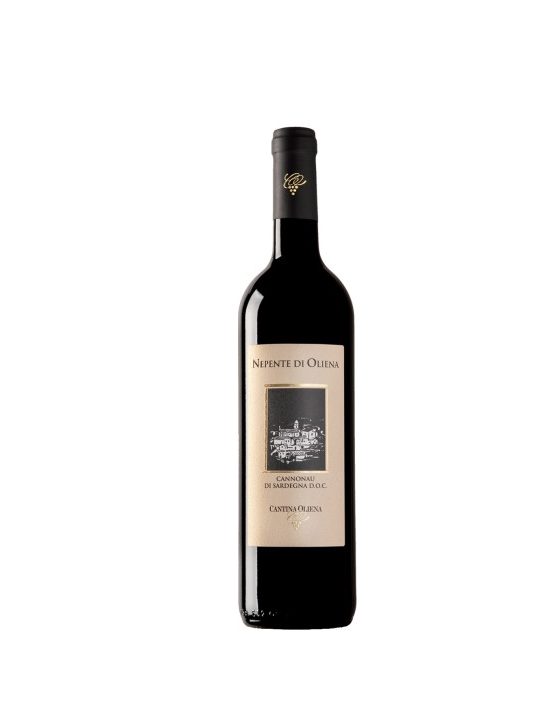
• Nepente di Oliena 2021 – Cantina di Oliena – Cannonau di Sardegna DOC
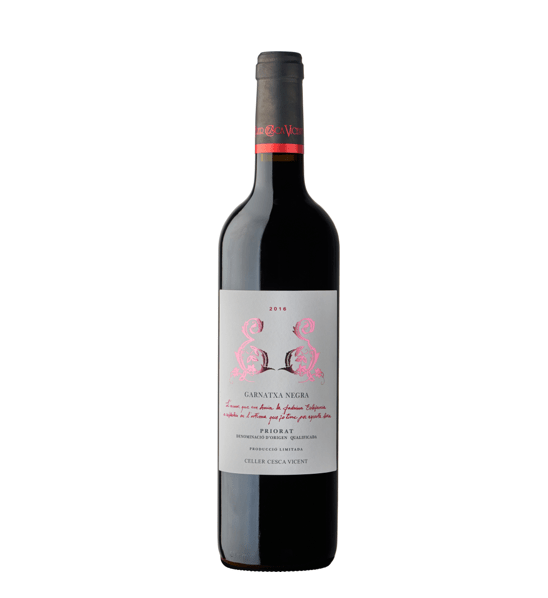
• Garnatxa 2021 – Celler Cesca Vicent – Priorat DOQ
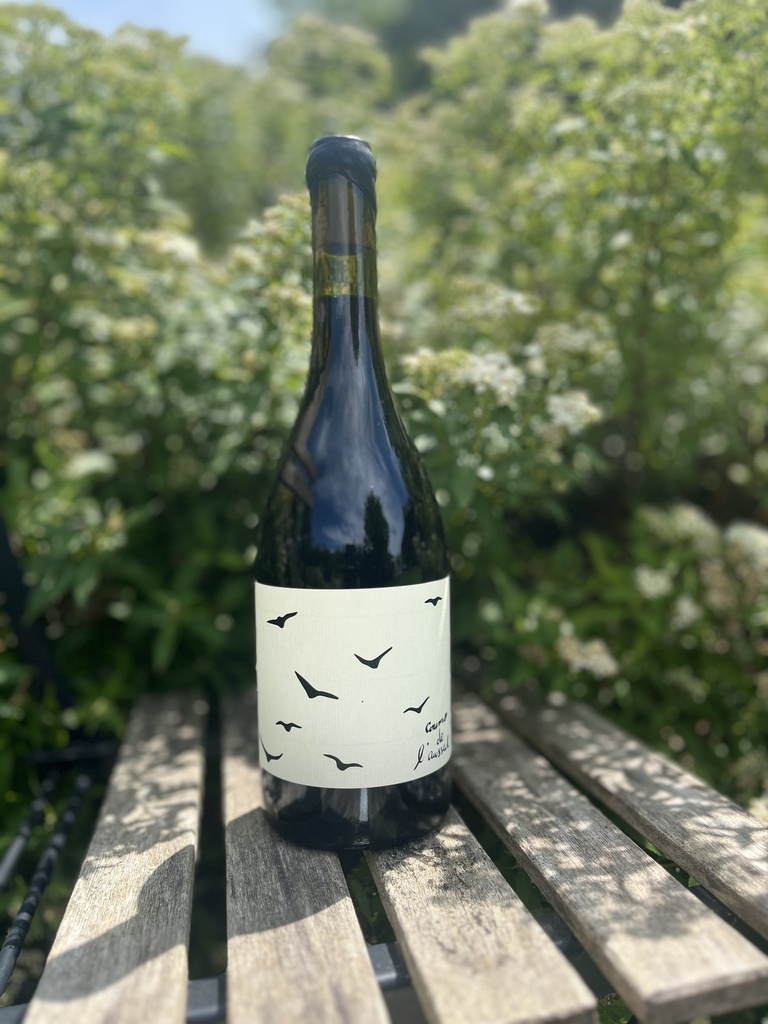
• Grenache Coumo de l’Ousseil 2022 – Domaine Giocanti – Vin de France
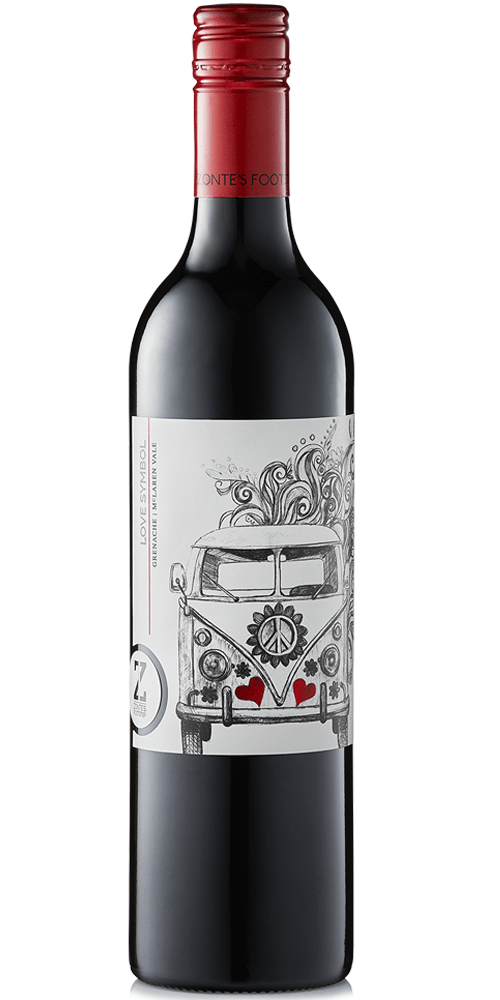
• Love Symbol 2018 – Zonte’s Footstep – McLaren Vale
These wines were selected as representative examples of their respective regional styles, offering a meaningful basis for comparison.
Nepente di Oliena 2021 – Cantina di Oliena (Sardinia)
Nepente di Oliena is a quintessential example of Cannonau produced in the province of Nuoro—arguably one of the most traditional and recognisable expressions of Sardinian Cannonau.
It is produced mostly from bush-trained Cannonau vines grown on granitic hillside soils around Oliena, with yields limited to around 60 quintals per hectare.
After harvest, the grapes undergo red vinification with maceration for 10–12 days at controlled temperatures (~25°C), with frequent remontage and délestage to optimise extraction. The wine then matures in cement and stainless steel, preserving its fruit-driven character, followed by brief bottle ageing.
Tasting Profile
• Colour: Deep ruby with garnet rim
• Nose: Medium(+) intensity with red cherry, red plum, redcurrant, dried herbs (thyme), rose, fig, prune, and a delicate hint of caramel
• Palate: Dry, medium(+) acidity, high alcohol (14.5%), medium(+) firm, slightly stalky tannins; full-bodied with good structure and a slightly bitter finish; medium(+) length
👉 This is the most structured and tannic wine of the lineup—interestingly contrasting with its relatively fruit-forward aromatic profile.
Garnatxa 2021 – Celler Cesca Vicent (Priorat, Spain)
This single-parcel Garnacha comes from the steep slate (llicorella) slopes near Gratallops, in the heart of Priorat.
Hand-harvested grapes undergo cold maceration, followed by fermentation in stainless steel. The wine is then aged for 12 months in French oak barrels, with final selection and gentle filtration before bottling.
Tasting Profile
• Colour: Deep ruby with slight purple rim
• Nose: Medium(+) intensity with red cherry, red plum, redcurrant, dried herbs (thyme, oregano), black tea, black pepper, orange peel, clove, cedar and chocolate
• Palate: Dry, medium(+) acidity, high alcohol (14.5%), medium(+) tannins; medium(+) body with a distinctly savoury, saline edge and a steely texture; medium(+) finish
👉 A nervy, mineral and structured wine—likely the most austere and demanding of the four.
Grenache Coumo de l’Ousseil 2022 – Domaine Giocanti (France)
A relatively unusual varietal Grenache from southern France, reflecting a low-intervention, terroir-driven approach.
Produced from 100% Grenache grown on garnet-rich mica-schist soils, the wine undergoes whole-bunch maceration (5 days) and 8 months of ageing in barriques. It is made with no additives, no added sulphites, and without fining or filtration.
Tasting Profile
• Colour: Deep ruby
• Nose: Medium(+) intensity with rose, redcurrant, red cherry, mint, eucalyptus, dried herbs, slightly unripe fruit, forest floor, black tea, and a subtle mineral/ferrous edge
• Palate: Dry, medium(+) acidity, high alcohol (14%), medium(+) chalky tannins; full-bodied but lifted by freshness, with a distinctive crunchy profile and a persistent chocolate note on the finish; medium(+) length
👉 The freshest and most “wild” expression—combining Grenache’s generosity with a crunchy, slightly untamed character.
Love Symbol 2018 – Zonte’s Footstep (McLaren Vale, Australia)
While technical details are limited, the wine clearly reflects optimal phenolic ripeness, with no evident heavy oak influence.
The style suggests careful extraction and maturation aimed at preserving fruit purity while achieving concentration.
Tasting Profile
• Colour: Deep ruby with garnet rim
• Nose: Medium(+) intensity with red cherry, red plum, cooked fruit, dried herbs, liquorice, fig, prune, black tea and tobacco
• Palate: Dry, medium acidity, high alcohol (14.5%), medium fine-grained tannins; very full-bodied with remarkable concentration and a creamy texture; medium(+) finish
👉 The ripest and most opulent wine—generous, warm and fruit-driven, yet balanced.
Conclusions
This tasting highlights both the shared identity and the remarkable diversity of Grenache across regions.
Across all four wines, some key characteristics clearly emerge: high alcohol levels, moderate to medium(+) tannins, a dominance of red fruit aromas, and a naturally generous, rounded structure. These similarities make the comparison particularly insightful.
At the same time, each wine expresses a distinct identity. Sardinia’s Cannonau highlights structure and tannic grip, while Priorat’s Garnatxa emphasises minerality, savouriness and tension. France’s Grenache leans towards freshness and a more “natural” vibrancy, while the Australian Grenache expresses opulence and textural richness. This diversity clearly shows that Grenache is an extraordinarily versatile grape. For wine lovers, tasting these styles side by side is one of the most compelling ways to understand how terroir and winemaking shape the expression of a single variety.
 Sardinian Wine Stories
Leave a comment