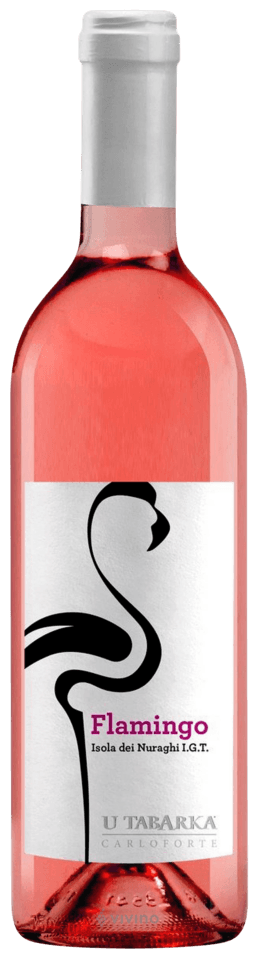
Today’s tasting note is dedicated to Flamingo, a varietal Carignano rosé produced by U Tabarka, a small estate located on the island of San Pietro, just off the south-western coast of Sardinia in the heart of the Sulcis region. Widely regarded as one of the world’s finest terroirs for Carignano (Carignan), Sulcis has built its reputation on powerful and age-worthy red wines. Flamingo demonstrates that the same grape can also produce rosés of remarkable elegance and personality.
In a previous tasting note, I reviewed Russu, U Tabarka’s outstanding varietal Carignano red. Flamingo offers a completely different interpretation of the variety: lighter, fresher and more delicate, yet unmistakably shaped by the same unique terroir.U Tabarka is a small, relatively young estate that perfectly captures the spirit of San Pietro. On one of the Mediterranean’s most remote islands, the winery embraces a philosophy of minimal intervention, traditional vineyard practices and little or no irrigation. Sandy soils, constant sea breezes and old ungrafted vines define both the landscape and the wines.
Viticulture & Vinification
Flamingo comes from estate-owned vineyards planted on the low coastal plains of San Pietro, only a short distance from the sea.
Like much of the Sulcis coastline, these vineyards grow on sandy soils. The sand prevents the spread of phylloxera, allowing the vines to remain ungrafted (own-rooted)—one of the defining characteristics of the region. Besides extending vine longevity, these old ungrafted vines naturally produce lower yields and fruit of remarkable concentration.
The terroir plays an equally important role in shaping the wine’s personality. The sandy soils contribute freshness and finesse; the long, sunny Mediterranean summers ensure full aromatic ripeness; while the nearby sea and the constant winds preserve freshness, promote healthy vineyards and impart the distinctive saline character that is so typical of Sulcis wines. Vineyard yields are kept below 50 quintals per hectare, ensuring concentration and depth.
The grapes are harvested slightly earlier than those destined for Russu, in order to retain higher natural acidity and achieve a lighter alcohol level. Harvesting is carried out entirely by hand.
After gentle destemming and crushing, the must undergoes approximately 12 hours of cold skin maceration, extracting the wine’s delicate pink colour and aromatic precursors while avoiding excessive tannin extraction. Alcoholic fermentation is followed by around three months of maturation in stainless steel, before a further three months of bottle ageing prior to release.
Tasting Profile
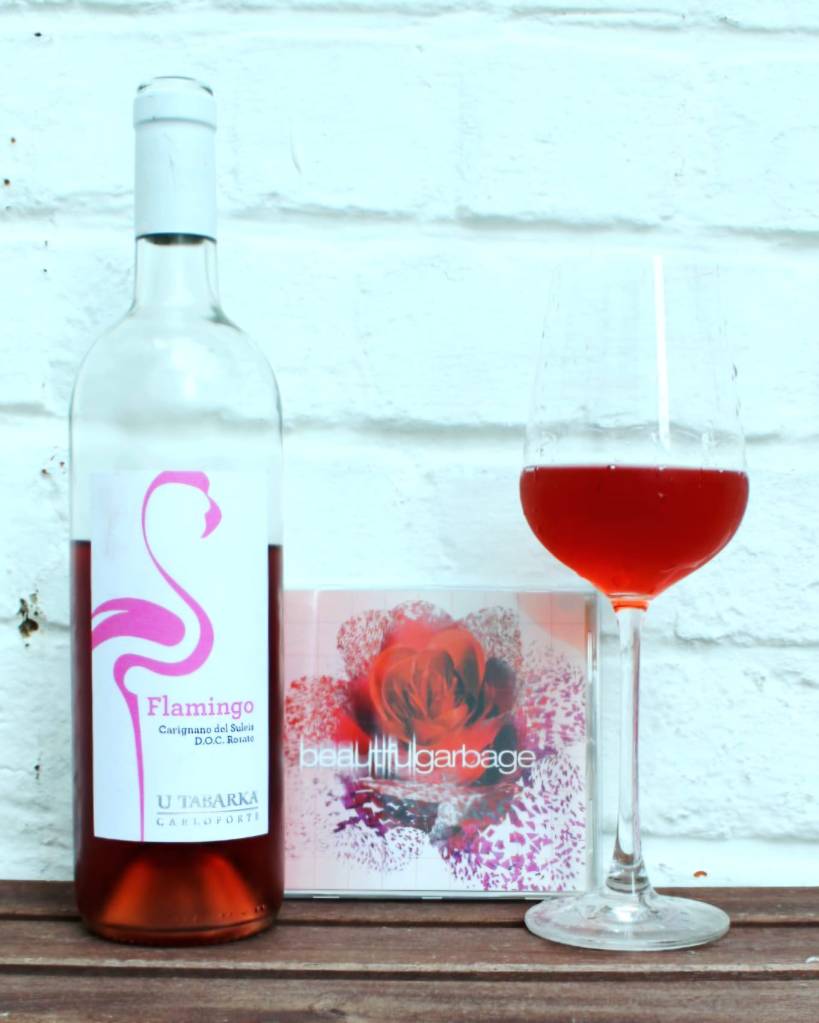
- Appearance: Bright medium pink with delicate orange reflections.
- Nose: Medium(+) aromatic intensity with expressive aromas of geranium, wisteria, pomegranate, strawberry, raspberry, a delicate note of kirsch, roasted blood orange, eucalyptus, and a subtle touch of white pepper.
- Palate: Dry, with medium(+) acidity and 12.5% alcohol, creating a wonderfully fresh yet balanced profile. The tannins are low but finely textured, contributing subtle grip and additional complexity. The wine is medium(+) bodied, giving it more structure than many contemporary rosés while maintaining excellent drinkability. The palate faithfully mirrors the aromatic profile of the nose, with a distinct saline note adding precision and length.
- Finish: Medium(+) in length, persistent and remarkably savoury. The lingering acidity, salinity and delicate tannic grip extend the finish beautifully, giving the wine a refined gastronomic character.
Food Pairing, Ageing Potential and Final Thoughts
Flamingo is first and foremost a gastronomic rosé. Elegant and refreshing, it nevertheless possesses enough texture, structure and complexity to accompany an entire meal rather than simply serving as an aperitif.
Its style is quite different from many contemporary Provence-inspired rosés. Rather than pursuing extreme lightness and delicacy, Flamingo embraces a slightly broader texture and greater aromatic depth. In this respect, it almost recalls a light red wine—or even a structured white Burgundy—while remaining unmistakably a rosé.
Perhaps even more importantly, Flamingo demonstrates another fascinating side of Carignano. A grape so often associated with powerful reds here reveals remarkable finesse, producing floral, herbal and subtly spicy aromas that are perfectly suited to an elegant rosé style. It is yet another reminder of both the versatility of Carignano and the creativity of Sardinian winemakers willing to explore new expressions of their native varieties.
Like most rosés, Flamingo is best enjoyed young. It should comfortably evolve for up to three years, developing slightly more savoury and spicy nuances, but beyond that it would gradually lose the vibrant freshness that defines its style.
Serve slightly warmer than a typical rosé—around 8–10 °C—to allow its layered aromatic profile to fully express itself. Its saline character, freshness and structure make it a particularly food-friendly wine. It would pair beautifully with culurgiones, Sardinia’s famous stuffed pasta, while its balance of freshness and texture also makes it an excellent companion to tuna tataki. It would likely overpower delicate sashimi, but it would be outstanding with spaghetti alla carlofortina, where the richness of tuna, the acidity of tomatoes and the savoury notes of pesto find an ideal partner in the wine’s vibrant yet gastronomic personality.


Leave a Reply