As a natural continuation of the previous post comparing Sardinia’s Carignano with Spanish Mazuelo, French Carignan, and Chilean Carignan, this article focuses on a comparative tasting of four varietal expressions from these regions.
The wines tasted are:
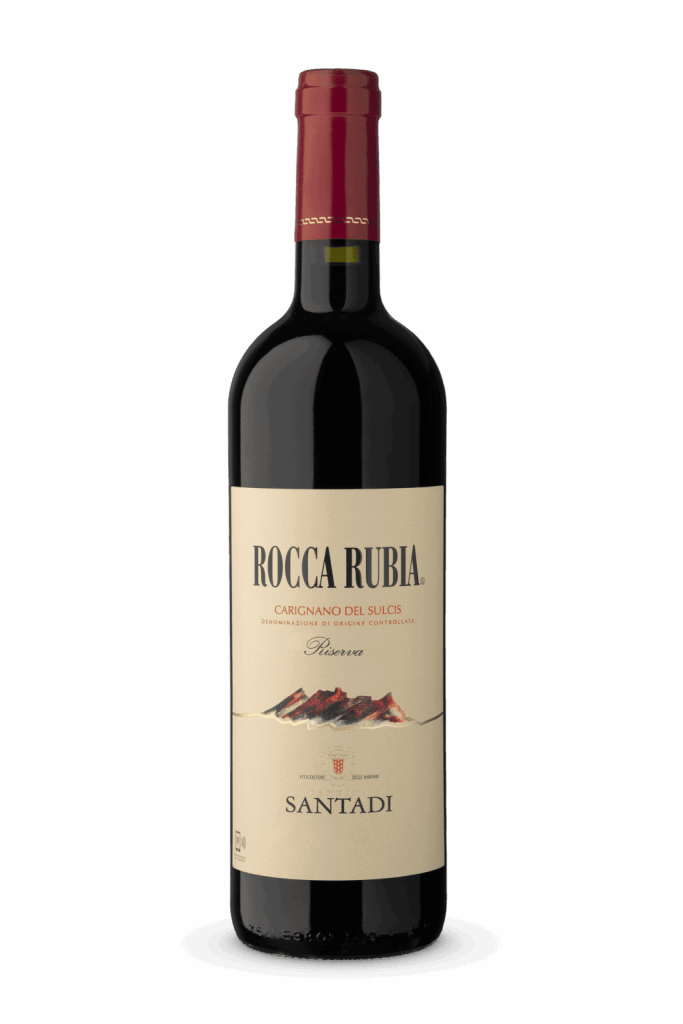
- Rocca Rubia 2022 – Cantina di Santadi – Carignano del Sulcis DOC Riserva
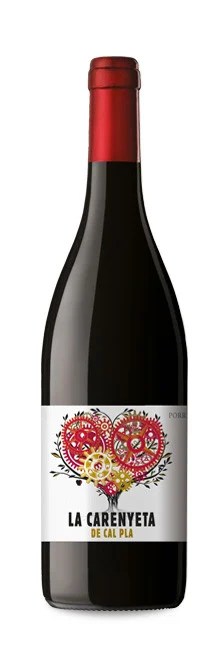
- La Carenyeta 2017 – Celler de Cal Pla – Priorat DOCa
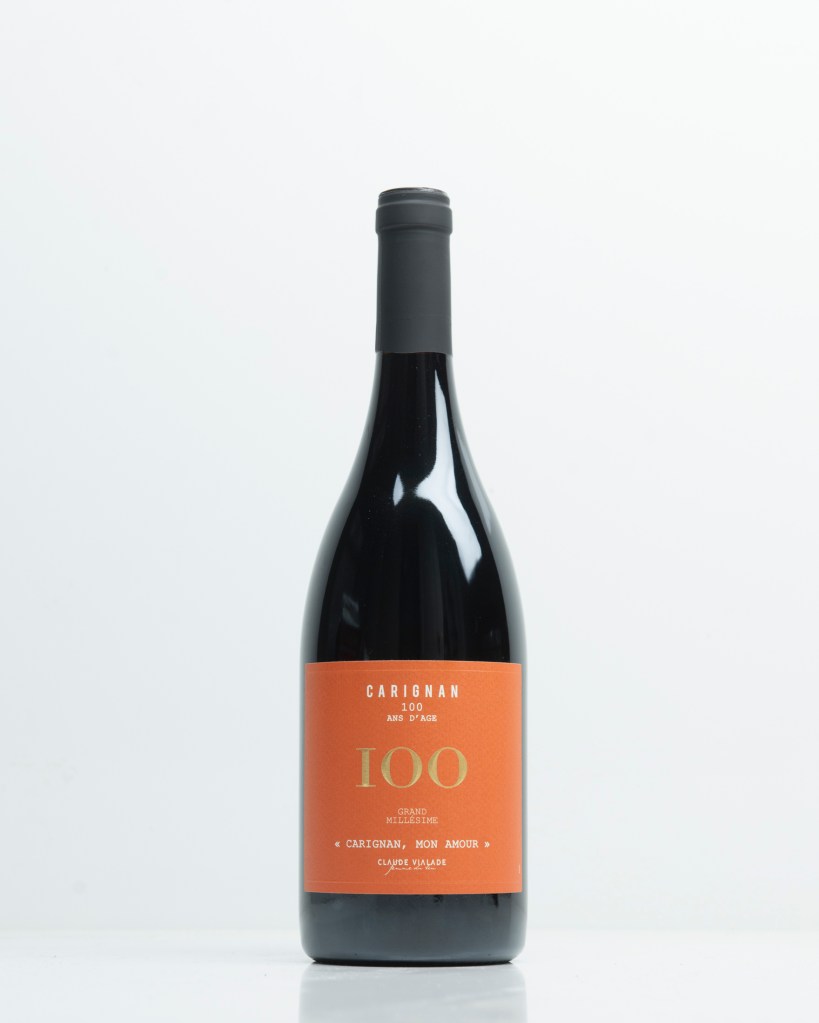
- Carignan Mon Amour 2024 – Claude Vialade – Aude IGP
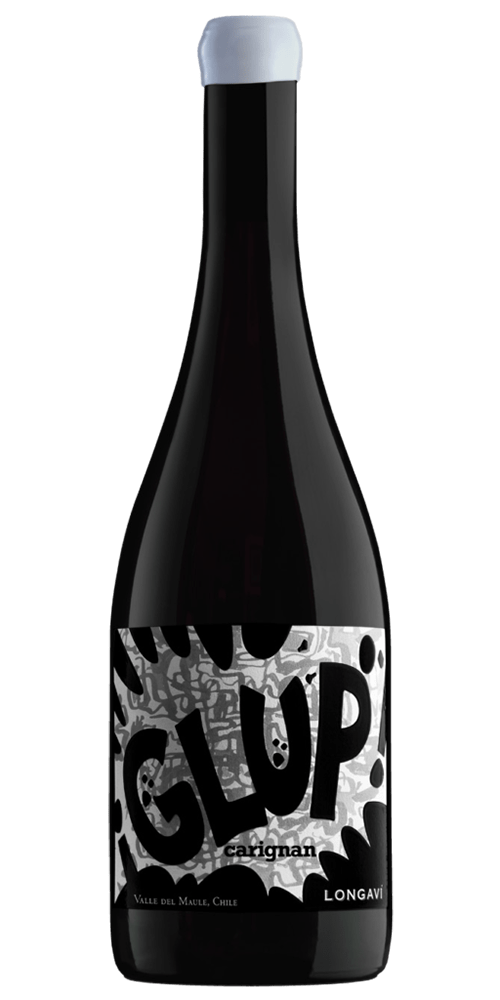
- Glup 2022 – Longaví – Valle del Maule
These wines were selected as representative examples of their respective regional styles, providing an excellent opportunity to explore how a single grape variety can express itself so differently across terroirs and winemaking traditions.
Rocca Rubia 2022 – Cantina di Santadi (Sardinia)
Rocca Rubia is a quintessential example of Carignano produced in the Sulcis region of south-west Sardinia—arguably one of the most iconic and recognisable expressions of Sardinian Carignano. It is produced by Cantina di Santadi, one of the leading estates responsible for the international reputation of Carignano del Sulcis.
The wine is produced from ungrafted bush vines grown on nutrient-poor sandy soils close to the sea. Following harvest, which generally takes place between late September and mid-October, the grapes undergo traditional red vinification with approximately two weeks of maceration at controlled temperatures (around 26°C), with frequent remontage and délestage to optimise extraction. The wine then matures for about one year in first- and second-use French oak barriques before a period of bottle ageing.
Tasting Profile
Colour: Deep ruby.
Nose: Medium(+) intensity, with aromas of black cherry, black plum, blackberry, eucalyptus, thyme, liquorice, leather, mushroom, game, cured meat and wet leaves.
Palate: Dry, with high acidity, high alcohol (14.5%), and high, firm yet velvety tannins. Full-bodied, combining richness and concentration with freshness and balance. The finish is long and characterised by the slight bitterness that is often a hallmark of Carignano.
👉 This is arguably the most complete wine of the lineup, combining aromatic complexity, concentration and structure with the velvety texture that has become a defining feature of the finest Carignano from Sulcis.
La Carenyeta 2017 – Celler de Cal Pla (Priorat, Spain)
This single-vineyard Mazuelo is produced by Celler de Cal Pla, one of Priorat’s historic estates. The grapes come from 50- to 80-year-old vines planted on the famous llicorella slate soils surrounding the village of Porrera.
The grapes are harvested by hand and fermented in stainless steel tanks at controlled temperatures. The wine is then aged for fourteen months in French oak barrels and subsequently matured in bottle for several years before release.
Tasting Profile
Colour: Deep ruby.
Nose: Dried violets, blackcurrant, black cherry, mulberry, black pepper, liquorice, thyme, graphite, iron, bitter cocoa, mocha, cooked cherry, leather and game.
Palate: Dry, with high acidity, high alcohol (14.5%), and high, firm tannins. Full-bodied, with a distinctly savoury and mineral profile. The texture is tense and almost steely, while the finish is long and persistent.
👉 A tense, mineral and highly structured wine, probably the most austere and intellectually demanding of the four. Despite already approaching ten years of age, it could comfortably continue evolving for another decade.
Carignan Mon Amour 2024 – Claude Vialade (France)
This varietal Carignan is produced from two parcels planted between 1907 and 1920 on the Terrasses de l’Orbieu and Terrasses de la Nièle, in the department of Aude.
The grapes are harvested by hand and yields are naturally low, around 25 hl/ha, largely due to the advanced age of the vines. Approximately 70% of the grapes undergo semi-carbonic maceration, a technique frequently employed in southern France to soften tannins and emphasise fruit purity. The wine is then matured with the objective of preserving freshness, elegance and aromatic precision.
Tasting Profile
Colour: Deep ruby.
Nose: Medium(+) intensity, with aromas of redcurrant, raspberry, red cherry, blackcurrant, garrigue, oregano, wet leaves, tobacco and cured meat.
Palate: Dry, with high acidity, medium alcohol (13.5%), medium(+) fine-grained tannins and medium(+) body. Fresh and vibrant, with a distinctive crunchy red-fruit profile and a refreshing herbal bitterness on the finish.
👉 The freshest and most delicate expression of the lineup, highlighting Carignan’s brighter and more lifted side through a combination of crunchy fruit, freshness and moderate alcohol.
Glup 2022 – Longaví (Valle del Maule, Chile)
This wine is produced from dry-farmed bush vines grown on highly decomposed granitic soils with a small percentage of clay in the Curimaqui area, south of Cauquenes in the Maule Valley.
In the cellar, the grapes undergo a four-day cold maceration at 8°C to preserve aromatic purity. Around 30% of the fermentation takes place with whole clusters. The wine is subsequently aged in 225-litre barrels for twelve months before bottling without filtration.
Tasting Profile
Colour: Deep ruby.
Nose: Blackberry, black cherry, black plum, tomato leaf, thyme, oregano, liquorice and clove.
Palate: Dry, with medium(+) acidity, medium alcohol (13%), medium(+) fine-grained tannins and a medium(+) to full body. The texture is smooth and generous, while a distinctive bitter note on the finish adds freshness and complexity.
👉 Perhaps the most surprising wine of the lineup—generous and warm in profile, yet balanced by distinctive herbal and bitter notes that make it unlike any of the others.
Conclusions
This tasting highlights both the shared identity and the remarkable diversity of Carignano/Carignan/Mazuelo across regions.
Across all four wines, several key characteristics clearly emerge. All display relatively high alcohol levels, generally elevated acidity and tannins, a prevalence of dark-fruit aromas, and a characteristic bitter note on the finish—one of the variety’s most distinctive hallmarks. These common features make the comparison particularly insightful.
At the same time, each wine expresses a distinct regional identity. Sardinia’s Carignano highlights aromatic complexity and a unique balance between velvety richness, tannic grip and freshness. Priorat’s Mazuelo emphasises minerality, savouriness and tension. Southern France’s Carignan explores the brighter end of the spectrum, showcasing freshness, moderate alcohol and crunchy red fruit. Finally, the Chilean expression offers a distinctive combination of generosity, herbal complexity and bitterness, creating a style unlike any of the others.
This diversity of styles clearly demonstrates that Carignano is an extraordinarily versatile grape. The variety retains a recognisable identity wherever it is grown, yet it responds remarkably well to differences in climate, soils and winemaking choices. For wine lovers, tasting these expressions side by side is one of the most compelling ways to understand how terroir can shape the personality of a wine without erasing the character of the grape itself.
 Sardinian Wine Stories
Leave a comment