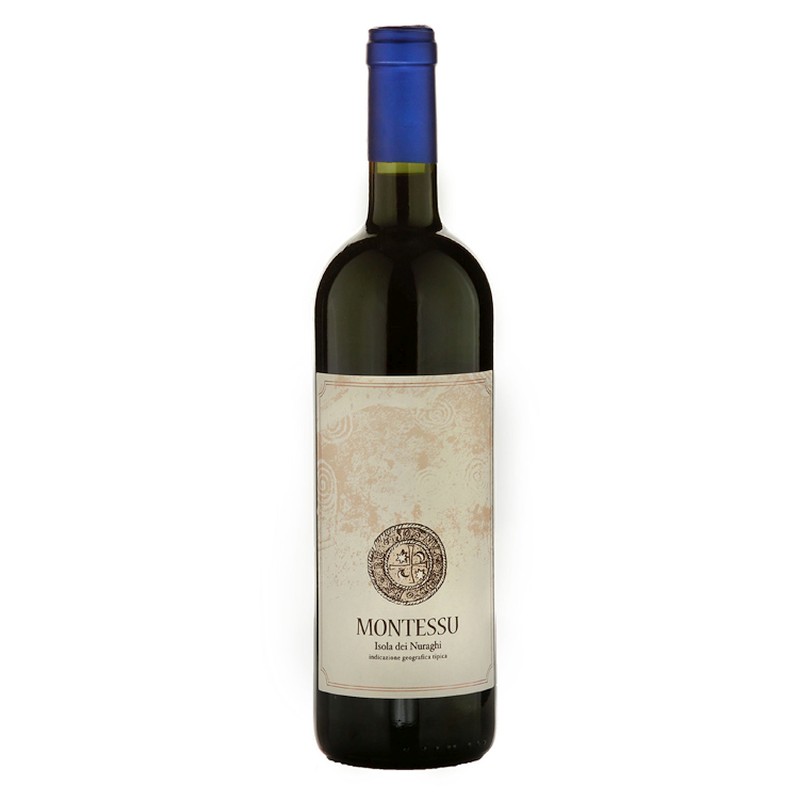
Today’s tasting note is dedicated to Montessu, a refined and characterful red blend produced by Agricola Punica in the Sulcis region of south-west Sardinia. Montessu is the estate’s “second wine” and is based on a blend of Carignano — the signature grape variety of Sulcis — together with four international varieties: Cabernet Franc, Cabernet Sauvignon, Merlot and Syrah. The result is a wine that successfully combines Sardinian identity with an unmistakably international touch, all interpreted through the distinctive terroir of Sulcis.
Agricola Punica was founded in 2002 and counts among its founders the legendary Giacomo Tachis, widely regarded as one of the greatest Italian oenologists of all time and the father of the so-called “Super Tuscans” such as Sassicaia, Tignanello and Solaia. Tachis played a key role in the renaissance of modern Italian winemaking and quickly recognised the enormous potential of Carignano del Sulcis. After collaborating with Cantina di Santadi, he inspired the creation of Agricola Punica together with the producers of Sassicaia (Tenuta San Guido), Cantina di Santadi and Antonello Pilloni.
The estate is based on two main vineyard sites, located in Santadi and Narcao, both in Sulcis. Montessu has been produced since 2005 and follows the same philosophy behind many of Tachis’ most iconic wines: combining indigenous grapes — in this case a dominant Carignano base — with carefully selected French varieties capable of thriving in Mediterranean climates. In many ways, Montessu can be seen as Sardinia’s interpretation of the Super Tuscan model, although in a more accessible and approachable style. At the same time, it remains deeply rooted in the aromas and personality of Sulcis.
Viticulture & Vinification
The vineyards used for Montessu are located near Narcao, in the inland area of lower Sulcis. Vines are trained using the spur cordon system and grow on mixed soils composed of clay, sand and limestone.
These soils contribute richness, minerality, tannic structure and ageing potential to the wines, while proving equally suitable for both indigenous and Bordeaux grape varieties. The warm and dry Mediterranean climate, moderated in the evening by cooling sea breezes, allows the grapes to ripen fully while maintaining freshness and aromatic intensity.
Harvest follows the natural ripening rhythms of each grape variety, usually beginning in the first half of September and ending in early October, avoiding excessive sugar accumulation at the expense of acidity.
Once in the cellar, the grapes undergo traditional red vinification with destemming and crushing. Fermentation takes place with the skins at temperatures between 25 and 28 °C, with regular remontage to optimise extraction. Malolactic fermentation follows, enhancing softness and roundness, before the wine matures for around 12 months in French oak barriques.
Tasting Profile
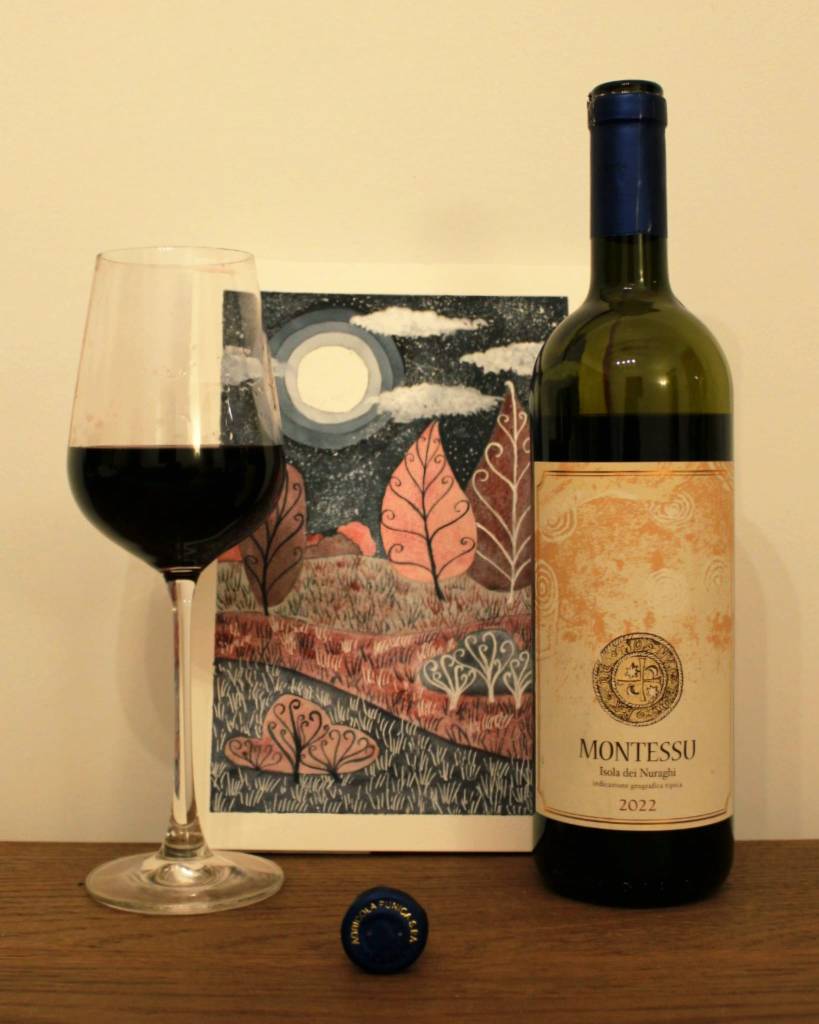
- Colour: Bright deep ruby.
- Nose: High intensity and remarkable complexity. The bouquet opens with aromas of black fruit — cassis, blackberry and black cherry — complemented by subtler red fruit notes reminiscent of ripe plum. Herbaceous tones of green and roasted bell pepper, typical of Cabernet varieties, emerge alongside rosemary, black pepper and liquorice. Oak ageing contributes notes of vanilla, cocoa and smoke, while evolving tertiary nuances of marmalade, cooked cherry, wet leaves and tobacco add further depth and sophistication.
- Palate: Dry, with high acidity, high alcohol (14.5%) and high, slightly stalky tannins. Despite its structure, the wine remains balanced and remarkably polished. The interplay between freshness, tannic grip and ripe fruit creates a sip that is both powerful and elegant. Full-bodied and concentrated, the wine also displays a subtle mineral backbone that keeps the palate vibrant and precise. Flavour intensity is high, seamlessly integrating primary, secondary and tertiary aromas.
- Finish: Long and persistent, with lingering balsamic and mineral notes, complemented by a delicate bitter-chocolate nuance that reinforces the wine’s complexity and depth.
Food Pairing, Ageing Potential and Final Thoughts
Montessu is an elegant, complex and deeply satisfying red wine. The blending of several grape varieties could have resulted in something overly polished or anonymous, but instead the wine achieves an impressive sense of harmony and identity. It combines concentration, freshness, structure and softness with remarkable ease — a balance that reflects the genius of Giacomo Tachis.
The aromatic interplay between Carignano and the Cabernet varieties is particularly compelling. Sulcis’ Mediterranean herbs and ripe fruit profile blend naturally with the roasted pepper, spice and oak-driven nuances more commonly associated with Bordeaux-inspired wines. The result is a wine that feels international in inspiration, yet unmistakably Sardinian in soul.
While this style of wine may lean towards a more “international” profile than what is currently fashionable, Montessu remains a fascinating interpretation of the Sulcis terroir. It is particularly impressive to see how well French grape varieties adapt to the sandy, windy and sun-drenched environment of south-west Sardinia.
This is also a wine with excellent ageing potential. Thanks to its concentration, acidity, alcohol and tannic structure, it should evolve beautifully over at least 5–10 years, developing increasingly savoury and tertiary characteristics over time. Serving temperature is ideally around 18 °C, or even slightly cooler.
In terms of food pairing, call me heretic, but Montessu is so complete and self-sufficient that it can genuinely be enjoyed on its own. Nevertheless, it pairs beautifully with roasted lamb, grilled red meats and aged or spicy cheeses, like the – now quite rare – casu marzu. For a more adventurous pairing, dark chocolate (around 90% cocoa) can work surprisingly well, echoing the wine’s bitter-chocolate and balsamic nuances.
All in all, Montessu is a wine that never hesitates to take centre stage.


Leave a Reply