Today’s tasting note is dedicated to AD49, a sparkling white wine produced by Cantina Sardus Pater. Made exclusively from Vermentino grapes and crafted according to the traditional method (with secondary fermentation in bottle, as in Champagne), AD49 is a vintage sparkling wine produced from the 2022 harvest.
This wine is one of the many exciting examples of sparkling wines emerging across Sardinia today. Traditionally, Sardinia has not been considered a sparkling wine region. However, in line with broader trends in the wine world, both the quality and quantity of Sardinian sparkling wines have been growing steadily in recent years. Consumers increasingly appreciate wines that combine freshness, elegance, and versatility, and sparkling wines naturally fit this profile. As a result, Sardinian producers are experimenting with different grape varieties and production methods, often with remarkable results.
AD49 is an excellent example of this evolution.
Cantina Sardus Pater is a cooperative winery based on the island of Sant’Antioco, in south-western Sardinia. Founded in 1949—the year referenced in the wine’s name—the estate today brings together more than 200 growers cultivating approximately 300 hectares of vineyards. While Carignano del Sulcis remains the historic focus of the winery, Sardus Pater has increasingly expanded its range, exploring new grape varieties and wine styles.
AD49 is part of a growing number of Sardinian wines produced using the traditional method. Its ambition is to combine the elegance and complexity associated with bottle-fermented sparkling wines with the freshness and drinkability that make Vermentino so appealing. In my view, it succeeds admirably.
Vineyard and Winemaking
AD49 is produced from Vermentino vines averaging around fifteen years of age, grown on the plains of the lower Sulcis region at sea level. The vineyards are trained on vertical trellises and planted on soils derived from trachytic rock, a geological feature that contributes to the wine’s mineral profile.
To preserve acidity—an essential element in quality sparkling wine production—the grapes are harvested relatively early, during the second week of August. Harvesting is carried out entirely by hand.
Once in the cellar, the grapes undergo white vinification, including a short cold skin maceration at 8 °C for approximately ten hours. Fermentation of the base wine takes place in stainless steel tanks at a controlled temperature of 15 °C, helping to preserve the fresh fruit and floral aromas of Vermentino. No malolactic fermentation is carried out, allowing the wine to retain its freshness and precision. The second fermentation takes place in bottle using selected yeasts. The wine then spends approximately eighteen months on its lees, during which regular riddling promotes optimal autolysis and contributes complexity and texture. Following disgorgement, the dosage is added, the bottle sealed with a mushroom cork, and the wine released for sale.
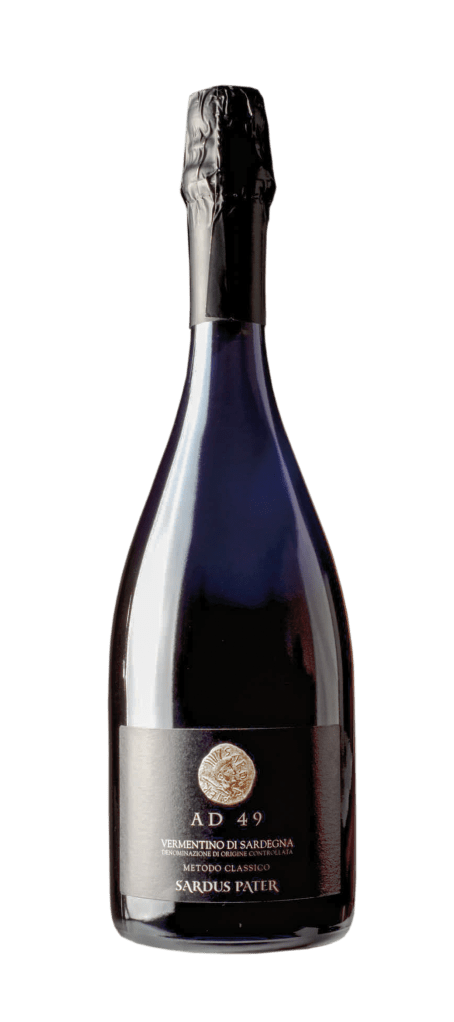
Tasting Profile
- Appearance: Pale lemon with delicate green reflections and a fine, persistent perlage.
- Nose: A complex and expressive bouquet highlighting the suitability of Vermentino for traditional-method sparkling wines. Fresh aromas of orange blossom, Scotch broom, yellow apple, lemon zest, lavender honey, and Mediterranean herbs are complemented by autolytic notes of brioche, pastry cream, fresh bread, and yeast. A delicate marzipan note—often a hallmark of Vermentino—emerges alongside hints of candied ginger and a distinctive steely minerality.
- Palate: Dry (Brut) with medium(+) acidity, offering freshness without austerity. The wine is medium-bodied, with 12.5% alcohol and a remarkably harmonious balance. The fine bubbles create an elegant, almost creamy texture that enhances the drinking experience. Flavours mirror the aromatic profile, with citrus fruit, floral notes, honey, marzipan, and a subtle bitter almond note that is typical of Vermentino.
- Finish: Medium(+) in length, precise and refreshing. Lingering mineral notes and a delicate bitter edge reinforce both freshness and varietal character.
Final Thoughts
AD49 strikes an appealing balance between the complexity expected from a traditional-method sparkling wine and the immediacy of a fresh, approachable Vermentino.
The wine displays a layered aromatic profile that combines primary fruit and floral aromas with the secondary notes derived from lees ageing. As the wine opens in the glass, additional nuances gradually emerge, moving from citrus and marzipan towards yeast, mineral notes, and subtle savoury undertones. This is therefore a sparkling wine that rewards attention without ever becoming demanding.
At the same time, AD49 remains remarkably easy to enjoy. It is neither austere nor overly rich, and avoids the excessive gourmand style that can sometimes characterise traditional-method sparkling wines. The creamy texture of the perlage contributes to a particularly smooth and elegant palate while preserving freshness and vibrancy.
One of the most interesting aspects of AD49 is how clearly the personality of Vermentino shines through. The characteristic notes of marzipan, honey, Mediterranean herbs, and subtle bitterness distinguish it from many international sparkling wines and provide a distinctly Sardinian identity.
As with most sparkling wines, AD49 is best enjoyed well chilled, ideally at around 6–8 °C. While it is not designed for extended bottle ageing, it should comfortably maintain its freshness and balance for three to five years after release.
Its versatility at the table is another of its strengths. Naturally, it works beautifully as an apéritif, but its additional complexity also makes it an excellent partner for food. The wine’s freshness and fine bubbles pair particularly well with fried seafood and light starters, while its marzipan and honey notes create an intriguing bridge to almond-based pastries such as amaretti.
A sparkling Vermentino that demonstrates just how much potential Sardinia still has to explore in the world of traditional-method wines.


Leave a Reply